Browse the 1688 SpreadsheetChoose a category. Compare the listing.
Explore sixteen product categories, then check the original listing before passing a link to your shopping agent.
Sixteen doors into the same catalogue
Each tile opens a category on a product browser we partner with, and each one is a wall of individual product cards rather than a list of brands. The categories overlap on purpose: something can be sportswear and outerwear at once, so if a category comes up short, the search box in the header will cut across all of them.
One disclosure before you click. The cards are sourced from that browser, so a card here is not 1688 stock, and no card carries a price on this site. What a card gives you is a specific item and a specific link.
-
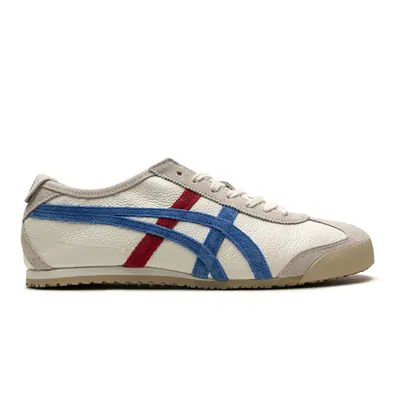 Sneakers
Court shapes, road runners and heavy-soled silhouettes all answer to this one word, and they have almost nothing in common past the foot.
Sneakers
Court shapes, road runners and heavy-soled silhouettes all answer to this one word, and they have almost nothing in common past the foot.
-
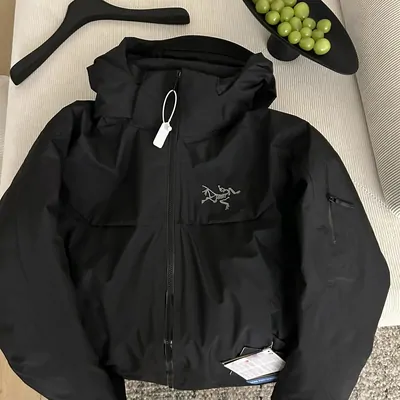 Jackets & Coats
A thin shell for drizzle and a quilted winter coat are filed together. Warmth is the whole reason you are here and the heading stays quiet about it.
Jackets & Coats
A thin shell for drizzle and a quilted winter coat are filed together. Warmth is the whole reason you are here and the heading stays quiet about it.
-
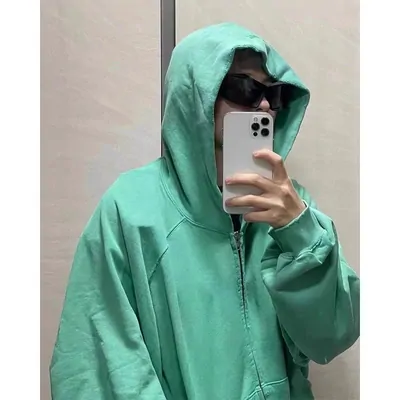 Hoodies
Pullovers, zip-throughs and cropped versions that stop at the ribs share the name. Which of the three you are looking at changes the garment completely.
Hoodies
Pullovers, zip-throughs and cropped versions that stop at the ribs share the name. Which of the three you are looking at changes the garment completely.
-
 T-Shirts
A heavy boxy cotton and a thin printed tee are the same word here. The print is what gets photographed and the fabric is what gets worn.
T-Shirts
A heavy boxy cotton and a thin printed tee are the same word here. The print is what gets photographed and the fabric is what gets worn.
-
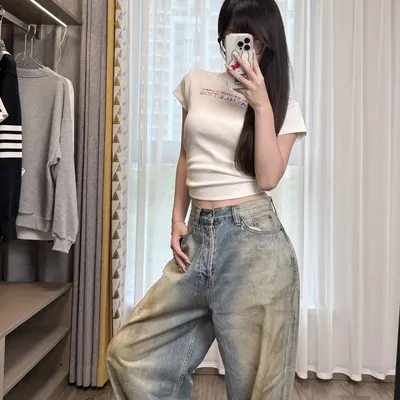 Jeans
Straight, flared, baggy and shredded arrive under one heading. Cut is the thing people actually choose by, and it is the thing the word throws away.
Jeans
Straight, flared, baggy and shredded arrive under one heading. Cut is the thing people actually choose by, and it is the thing the word throws away.
-
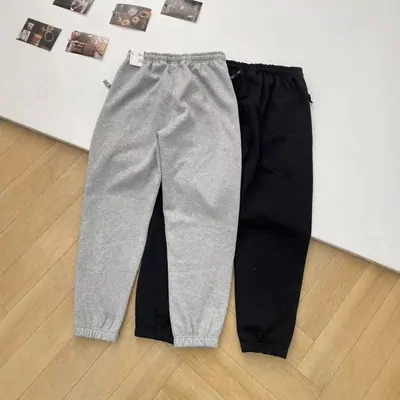 Sweatpants
Tapered joggers with a gripped cuff sit beside wide open-hem trousers. Nothing in the name separates them.
Sweatpants
Tapered joggers with a gripped cuff sit beside wide open-hem trousers. Nothing in the name separates them.
-
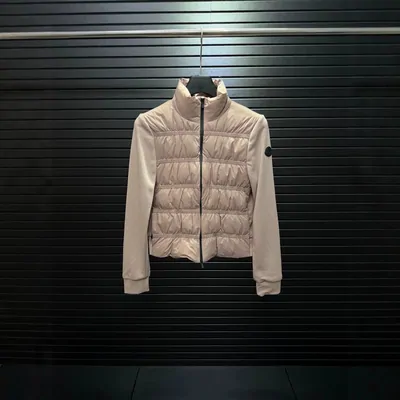 Womenswear
This heading sorts by who an item was cut for rather than by what the item is, which makes it behave unlike every other door on this page.
Womenswear
This heading sorts by who an item was cut for rather than by what the item is, which makes it behave unlike every other door on this page.
-
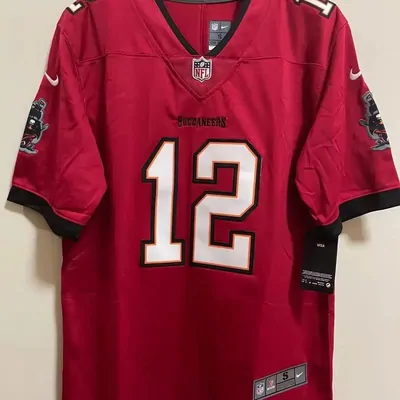 Jerseys
Match shirts, training tops and fan tees all qualify. This is the one heading where the garment usually spells out which it is.
Jerseys
Match shirts, training tops and fan tees all qualify. This is the one heading where the garment usually spells out which it is.
-
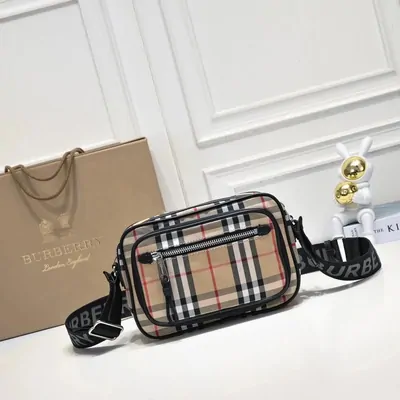 Bags
A soft shoulder bag and a rigid case are both bags. What the thing is meant to carry never makes it into the heading.
Bags
A soft shoulder bag and a rigid case are both bags. What the thing is meant to carry never makes it into the heading.
-
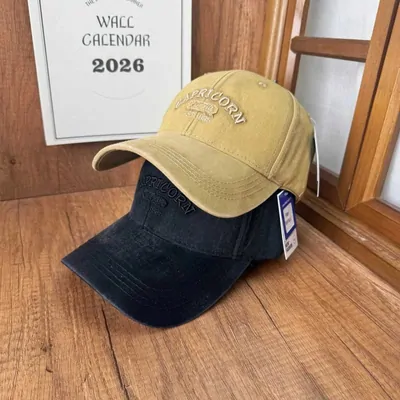 Hats
Structured caps, soft brims and knitted beanies share a shelf and share nothing else. Each is held on the head a different way.
Hats
Structured caps, soft brims and knitted beanies share a shelf and share nothing else. Each is held on the head a different way.
-
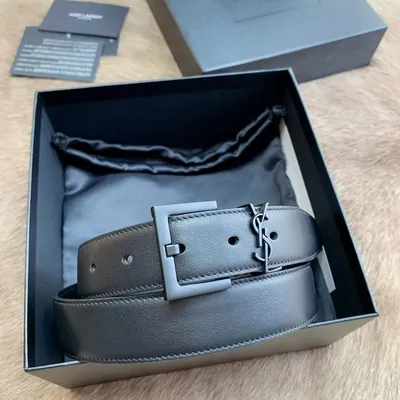 Belts
A quiet dress width and a buckle meant to be noticed are the same category. They are bought for opposite reasons.
Belts
A quiet dress width and a buckle meant to be noticed are the same category. They are bought for opposite reasons.
-
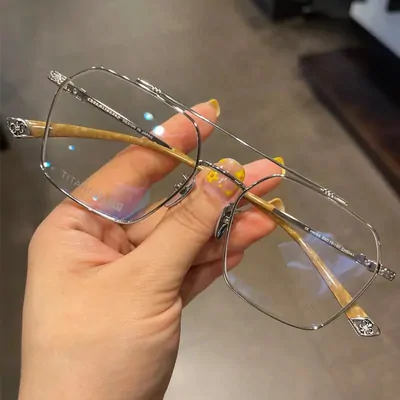 Eyewear
Optical frames and sunglasses are filed as one thing although you buy them to solve different problems. The lens is the whole difference.
Eyewear
Optical frames and sunglasses are filed as one thing although you buy them to solve different problems. The lens is the whole difference.
-
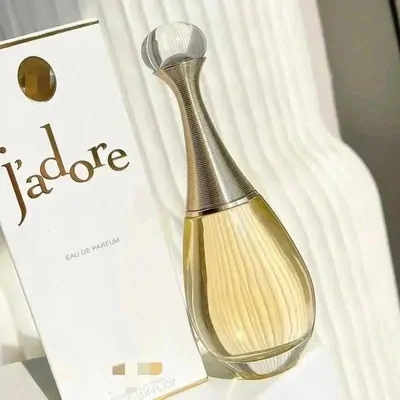 Perfume
Strength, format and whether a box has been opened are three separate questions. One heading answers none of them.
Perfume
Strength, format and whether a box has been opened are three separate questions. One heading answers none of them.
-
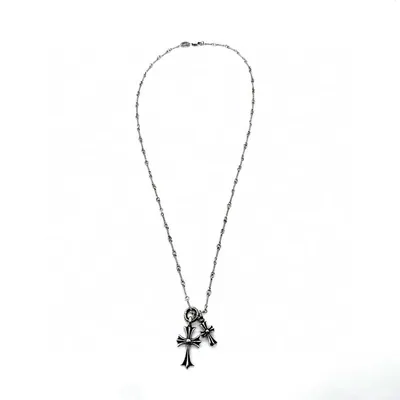 Jewellery
A thin everyday chain and a pendant with real weight to it live together here. Scale is the first thing this word loses.
Jewellery
A thin everyday chain and a pendant with real weight to it live together here. Scale is the first thing this word loses.
-
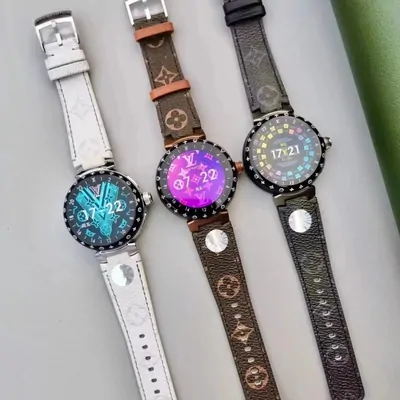 Watches
Mechanical movements and screens that need charging answer to the same name. What drives the hands is a different purchase entirely.
Watches
Mechanical movements and screens that need charging answer to the same name. What drives the hands is a different purchase entirely.
-
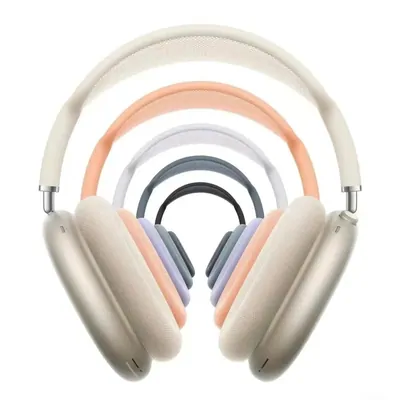 Electronics
Audio, accessories and the packaging they ship in are grouped as one. Expect to do the narrowing yourself.
Electronics
Audio, accessories and the packaging they ship in are grouped as one. Expect to do the narrowing yourself.
How to judge a 1688 Spreadsheet page before you trust it
There are a lot of these browsing sites, and they are easy to make badly. Four things separate one worth using from one built to be clicked through.
- Does the link actually resolve? The commonest failure is a card pointing at a listing that has been taken down. A good page loses cards over time; a dead page keeps them all and lets you find out at checkout.
- Does the picture match the item? Catalogue photos get reused across cards. If the same photo appears under three different products, the page is decorating itself rather than describing anything.
- Does it say where the money goes? Sites like this one earn a referral fee. That is fine and extremely common, and a site that will not say so in plain words is choosing not to.
- Does it tell you what it does not know? A browsing site has no view of stock, no view of the seller, and no say in inspection. One that implies otherwise is the problem.
By that last test, this page is deliberately thin in places. We cannot tell you whether a listing is in stock, because the agent handling the order has told us in writing that it cannot promise that either. Pretending to know more than the party doing the buying would be the easiest way to make this page feel more useful and less true.
What a card here does not tell you
A product card is a photograph, a name and a link. Three of the things that decide whether your order succeeds are missing from it, and no browsing site anywhere can supply them.
The first is whether the item exists right now. Stock on a wholesale listing moves faster than any catalogue refresh, which is exactly why one agent put a sentence in its terms declining to promise an accurate inventory figure on these orders. That sentence is quoted on the clause page.
The second is how many you have to buy. Minimums are set by the supplier, listed on the supplier page, and checked by you. Buying on 1688 shows where the agent tells you that in its own help text.
The third is what the goods will look like when they arrive. That depends on the inspection you are getting, which is not the same inspection on every platform. The checks page quotes the difference.
None of that makes the card useless. Finding a specific product and getting a working link is a real job, and it is the job this page does. The point is to stop there and go read the terms, instead of treating a nice photograph as a promise.